
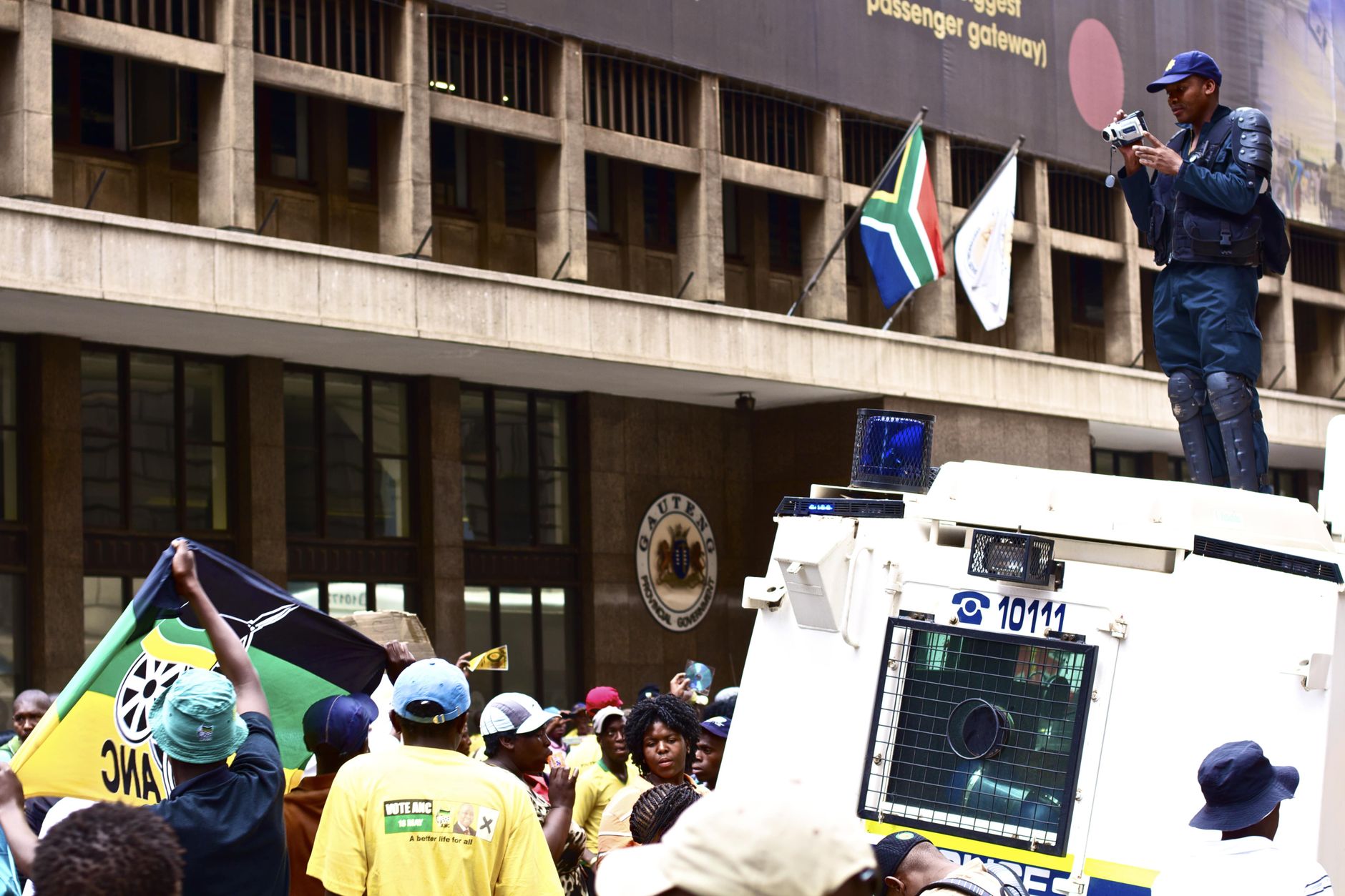
ANC divided on DA is a crucial topic as political tensions rise within South Africa’s major parties, affecting voter sentiment and alliances.
Understanding the ANC-DA Divide
The African National Congress (ANC) is facing significant internal turmoil as divisions over the Democratic Alliance (DA) become increasingly pronounced. This split has sparked intense debates within the party, leading many to question its unity and future direction.
Several key factors contribute to the ANC’s divided stance on the DA:
- Leadership Struggles: Factionalism within the ANC has led to differing opinions on how to approach the DA, with some members advocating for a more confrontational stance.
- Electoral Strategies: The ANC is grappling with its electoral strategies, as some factions believe that engaging with the DA could alienate their traditional voter base.
- Policy Differences: Fundamental ideological differences exist between the two parties, particularly on issues such as economic policy and social justice, further complicating the ANC’s position.
- Public Sentiment: Grassroots members are increasingly vocal about their concerns, which amplifies the divide within the ANC regarding how to respond to the DA’s growing influence.
This ongoing discord raises questions about the ANC’s ability to maintain cohesion in the face of external pressures and shifts in public opinion.
McKenzie Addresses Blame for Switch
The ongoing tensions within the African National Congress (ANC) have been further highlighted by comments from prominent party member, McKenzie. In a recent statement, McKenzie addressed the growing concern regarding the switch of Tatjana Smith to the Democratic Alliance (DA), asserting that the ANC should not assign blame for this political shift.
McKenzie emphasized the following points:
- Party unity is crucial for maintaining voter trust and support.
- Individual decisions, like Smith’s, reflect personal choices rather than a systemic failure within the ANC.
- The ANC must focus on addressing internal divisions that contribute to discontent among its members.
He further argued that the ANC divided on DA cannot solely be attributed to the actions of one member, suggesting a deeper need for introspection within the party. McKenzie called for constructive dialogue and cooperation among members to strengthen the party’s resolve against opposition forces.
As the political landscape evolves, the ANC must navigate these challenges carefully to prevent further defections and to unify its base ahead of upcoming elections.
Implications for South African Politics
The recent division within the African National Congress (ANC) regarding the Democratic Alliance (DA) is set to have significant implications for South African politics. As factions within the ANC express differing views on how to engage with the DA, the ramifications could reshape party dynamics and voter perceptions.
Key implications include:
- Shift in Voter Loyalty: The ANC’s internal rift may lead to disillusioned voters seeking alternatives, potentially benefiting smaller parties.
- Policy Changes: With factions pushing various agendas, the ANC may struggle to present a unified policy platform, affecting governance.
- Coalition Dynamics: The divided stance on the DA could complicate future coalition negotiations, impacting local and national elections.
- Public Perception: Continued infighting may erode public trust in the ANC, reinforcing the perception of instability within the party.
As the ANC navigates this internal conflict, the divided stance on the DA will undoubtedly influence the political landscape in South Africa. Observers are keenly watching how these developments unfold and what they mean for the future of the ANC and its relationship with opposition parties.
Public Reaction to Party Divisions
The recent divisions within the African National Congress (ANC) regarding the Democratic Alliance (DA) have sparked a significant public reaction. Many South Africans are expressing their opinions on social media and in community discussions, reflecting a mix of support and criticism towards the ANC’s internal conflicts.
Some citizens believe that the fracturing of the ANC over the DA signals a weakening of the party’s unity, which could have serious implications for future elections. Others argue that these divisions might foster a more competitive political environment, encouraging better policies and accountability among parties.
Key points of public sentiment include:
- Concern for Stability: Many fear that the ANC’s divisiveness could lead to political instability.
- Calls for Unity: A significant portion of the public is urging the ANC to resolve its differences to present a united front.
- Political Engagement: Some citizens see the divide as an opportunity to engage more actively in politics, hoping for a shift in power dynamics.
As the ANC remains divided on the DA, the ongoing dialogue among the electorate will likely shape the party’s strategy moving forward.
Future of ANC and DA Relations
The ongoing tensions within the African National Congress (ANC) regarding its relationship with the Democratic Alliance (DA) raise critical questions about the future of political alliances in South Africa. As factions within the ANC struggle to find common ground, the party’s approach to the DA may shape its electoral prospects and governance strategies.
Key factors influencing the future of ANC and DA relations include:
- Electoral Strategy: The ANC must consider whether maintaining a combative stance against the DA will resonate with voters or if a more conciliatory approach could foster broader support.
- Internal Unity: The division over the DA reflects deeper issues within the ANC. A lack of consensus could weaken the party’s overall effectiveness and electoral appeal.
- Public Perception: The ANC’s handling of its rivalry with the DA will be closely scrutinized by the public, influencing voter sentiment ahead of upcoming elections.
- Policy Collaboration: The potential for policy collaboration or coalition-building with the DA could emerge as a pragmatic solution if divisions persist.
Ultimately, the ANC is divided on the DA, and how these dynamics evolve will significantly impact South Africa’s political landscape.
The recent developments within the party have highlighted how the ANC divided on DA can influence voter sentiment in the upcoming elections. As factions within the ANC continue to clash, the implications of an ANC divided on DA could reshape the political landscape in unforeseen ways.
Photo by Andy Diesel on Pexels