
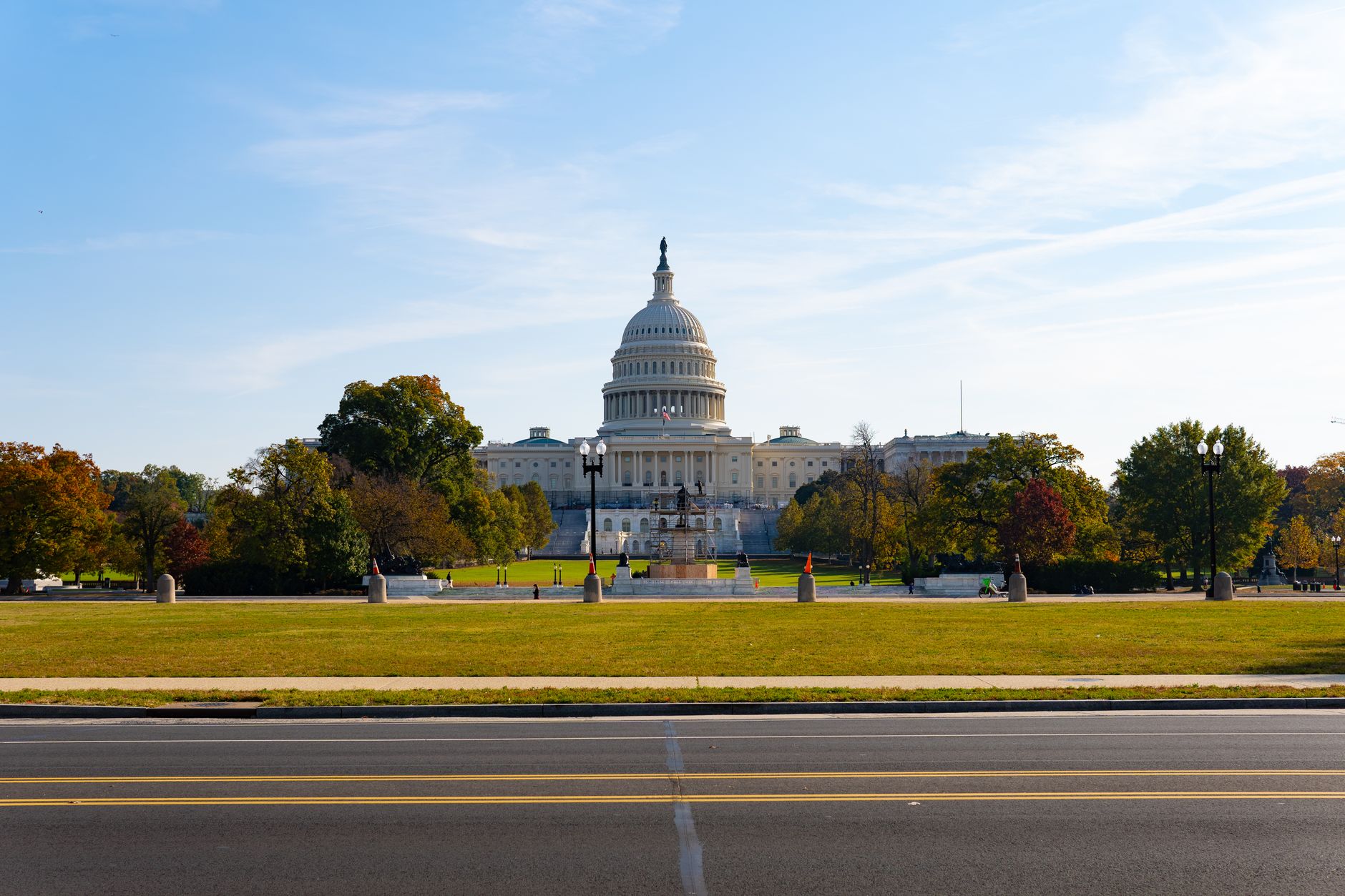
Senate Democrats fight is shaping up to be a long and contentious battle between Schumer and Van Hollen. As tensions rise, the implications for the party’s unity and future strategies are becoming increasingly significant.
Background of the Senate Democrats fight
The ongoing battle among Senate Democrats reflects deeper divisions within the party as they seek a unified approach to critical legislation. The current Senate Democrats fight centers around key issues such as funding, policy priorities, and the party’s overall strategy moving forward.
In recent months, discussions have intensified, particularly between influential figures like Senate Majority Leader Chuck Schumer and Senator Chris Van Hollen. Their differing perspectives on budget allocations and legislative priorities have sparked a significant dialogue among party members.
As a result, many senators have expressed their concerns regarding the party’s ability to present a cohesive front. Some of the major points of contention include:
- The urgency of addressing climate change initiatives.
- Funding for social programs versus infrastructure development.
- Strategies to maintain party unity while appealing to a diverse electorate.
Despite these challenges, there is a collective understanding that a resolution is necessary for the party to move forward effectively. The outcome of this internal dispute could have lasting implications on upcoming elections and the overall legislative agenda, as Senate Democrats strive to forge a path that aligns with their core values while addressing the needs of their constituents.
Key players in the Schumer-Van Hollen battle
In the ongoing Senate Democrats fight, a few key players are emerging as central figures in the Schumer-Van Hollen battle. Their respective roles and strategies could significantly influence the outcome of this contentious debate.
- Chuck Schumer: As the Senate Majority Leader, Schumer is tasked with unifying the party while managing diverse perspectives. His leadership style emphasizes collaboration, but as tensions rise, he may need to take a firmer stance.
- Chris Van Hollen: The Maryland Senator has positioned himself as a strong advocate for progressive policies. His arguments focus on the importance of addressing pressing issues such as climate change and social justice, which he believes should be prioritized.
- Key Committee Chairs: Various committee chairs are also stepping into the fray, bringing their expertise to the discussions. They are crucial in shaping policy and ensuring that different viewpoints are heard.
- Grassroots Activists: Activists from across the country are rallying support for their preferred outcomes, putting pressure on Senators to align with the desires of their constituents.
The dynamics among these players will determine not only the direction of the Schumer-Van Hollen fight but also set the tone for future legislative efforts within the party.
Impact on party unity and strategy
The ongoing Senate Democrats fight surrounding the Schumer-Van Hollen battle has significant implications for party unity and strategy as the 2024 elections approach. Internal divisions are becoming increasingly visible, raising concerns over the potential impact on Democratic cohesiveness.
Several key factors contribute to the challenges facing Senate Democrats:
- Ideological Differences: The party is experiencing a rift between moderates and progressives, with each faction advocating different approaches to policy and governance.
- Strategic Priorities: With limited political capital, party leaders must carefully navigate their priorities, balancing between the need to support their base and appeal to a broader electorate.
- Electoral Implications: As Democrats face a hostile political landscape, the outcome of the Schumer-Van Hollen contest could set the tone for candidate support and resource allocation in the upcoming elections.
Moreover, the stakes are high as party members weigh their loyalty against personal ambitions. The resolution of this internal conflict may determine not only the effectiveness of Senate Democrats but also their ability to present a united front in the face of Republican opposition. As the situation evolves, party leaders will need to strategize effectively to maintain unity and advance their legislative agenda.
Historical context of Senate conflicts
The history of Senate conflicts reveals a pattern of intense battles that have often shaped the legislative landscape. Over the years, Senate Democrats fight has emerged as a recurring theme, particularly during pivotal moments when party cohesion is tested. One notable example occurred during the Obama administration, when disagreements over healthcare reform led to significant rifts within the party.
In the early 2000s, the Senate faced a series of contentious debates regarding judicial nominations, which not only highlighted the ideological divides between the two parties but also showcased the internal struggles among Democrats. The fight over the filibuster, in particular, became a focal point of contention, resulting in a shift in Senate rules that has had lasting implications.
More recently, the struggle for a unified front on major legislation has intensified, especially as progressive and moderate factions vie for influence. This internal dynamic was evident during the debates leading up to the current Schumer-Van Hollen conflict. The outcome of this ongoing battle could very well determine the future direction of the party and its legislative agenda.
As Senate Democrats fight to maintain party unity while navigating these complex dynamics, they are reminded of the lessons learned from past conflicts, underscoring the importance of collaboration in the face of adversity.
Public opinion on the ongoing fight
As the Senate Democrats fight intensifies, public opinion plays a crucial role in shaping the narrative surrounding the ongoing conflict between Senate leaders Chuck Schumer and Chris Van Hollen. Recent polls indicate a divided sentiment among constituents, highlighting the varying priorities of voters across the nation.
Many citizens express concern over issues such as economic stability, healthcare, and climate change, urging their representatives to focus on these pressing matters rather than internal disputes. A significant portion of the electorate believes that party unity is essential for effectively addressing these challenges. This has led to increased pressure on Senate Democrats to reconcile their differences swiftly.
The following points illustrate public sentiment regarding the current political struggle:
- Concern for Progress: Voters are worried that prolonged conflicts may hinder legislative progress on critical issues.
- Desire for Unity: Many constituents advocate for a united front among Democrats to enhance their effectiveness in Congress.
- Frustration with Leadership: Some voters express dissatisfaction with how party leaders are managing the situation, calling for more decisive action.
As the Senate Democrats fight unfolds, it remains to be seen how these public sentiments will influence the decisions made by party leaders in the coming weeks.
Potential outcomes of the confrontation
The ongoing Senate Democrats fight between Senators Chuck Schumer and Chris Van Hollen has led to several potential outcomes that could shape the future of the party and its legislative agenda. As the standoff continues, analysts are predicting various scenarios that may arise from this confrontation.
- Compromise Agreement: One possibility is a compromise that allows both Senators to save face while addressing the core issues at hand. This could lead to a united front in upcoming elections.
- Increased Tensions: Alternatively, if negotiations break down, it could lead to further divisions within the party. This scenario may weaken the Democrats’ position in upcoming legislative battles.
- Policy Shift: A successful resolution may also prompt a reevaluation of key policies, as Senators may seek to align on shared goals that resonate with their constituents.
- Impact on Future Leadership: The outcome of this confrontation may influence future leadership dynamics within the Senate, particularly if one senator emerges as a clear winner.
Ultimately, the Senate Democrats fight reflects the broader challenges facing the party as it navigates internal disagreements while striving for a cohesive strategy to address pressing national issues.
Next steps for Senate Democrats
As the Senate Democrats fight continues to unfold, the next steps for party leaders will be crucial in determining the outcome of the ongoing confrontation. With a myriad of issues at stake, the Democratic caucus is strategizing on how to maintain unity while addressing the concerns raised by key players in the Schumer-Van Hollen battle.
The immediate focus will likely involve:
- Negotiations: Senate leaders will need to engage in discussions with both sides to find common ground and potentially reach a compromise.
- Strategic Messaging: Crafting a coherent narrative that resonates with constituents and reinforces party solidarity will be essential to mitigate any fallout from dissent within the ranks.
- Coalition Building: Gaining support from moderate and progressive factions alike will be vital in ensuring that all voices are heard while working towards a resolution.
- Timeline Establishment: Setting a clear timeline for negotiations and potential votes will help in managing expectations and maintaining momentum.
Ultimately, the Senate Democrats fight is not just about specific policy outcomes but also about demonstrating effective leadership and commitment to the party’s broader goals. As they navigate this complex landscape, the ability to adapt and collaborate will be key to finding a resolution that satisfies all parties involved.
As the negotiations progress, Senate Democrats fight to unify their party’s stance on key issues. Their efforts highlight the importance of collaboration as Senate Democrats fight for a resolution that addresses the concerns of all constituents.
Photo by Suyash Mahar on Pexels