
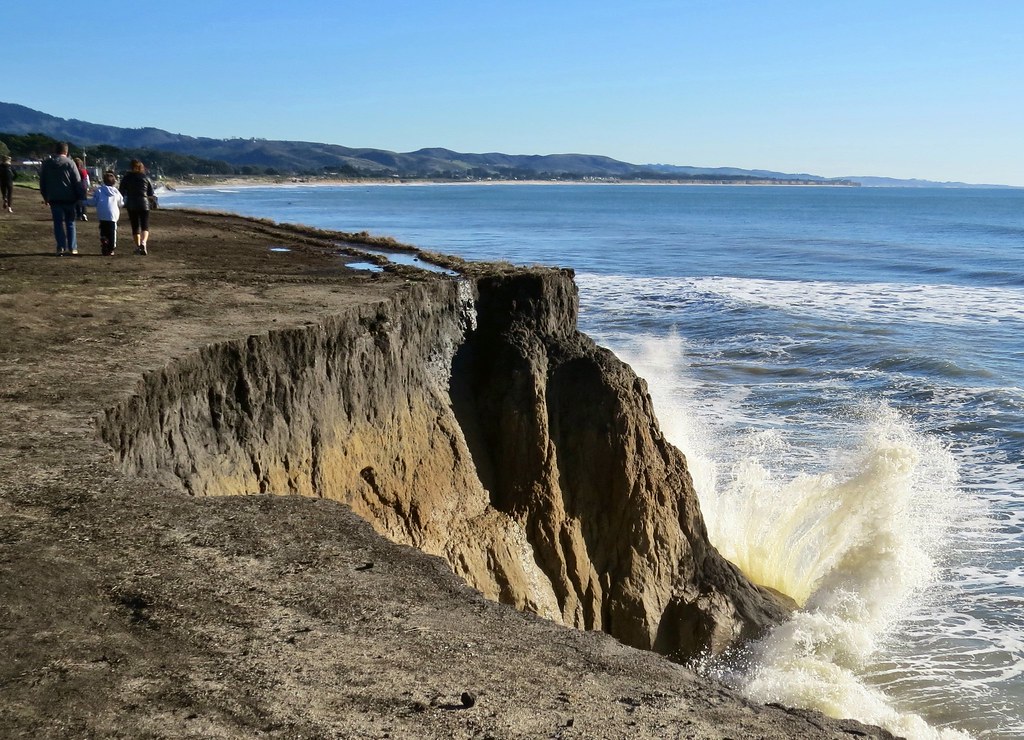
California coast high tides have recently battered the coastline, leading to substantial damage, including the collapse of a historic pier. This event has raised concerns about the ongoing impact of climate change on coastal regions.
Understanding the Causes of High Tides
High tides along the California coast are primarily caused by a combination of astronomical and environmental factors. Gravity from the moon and the sun plays a significant role in creating these tidal movements, resulting in periodic rises and falls of sea levels. Additionally, seasonal weather patterns such as storms can exacerbate high tides, leading to more severe flooding events.
Climate change has also contributed to the worsening of high tide events, as rising sea levels make it easier for coastal areas to experience flooding during these peaks. Urban development along the coastline can further increase the impacts of high tides, reducing natural barriers and drainage systems. Understanding these causes is crucial for coastal communities to prepare for and mitigate the effects of high tides, which have recently battered the California coast, damaging infrastructure and threatening public safety.
Impact on Coastal Communities
The recent record high tides along the California coast have raised significant concerns for coastal communities. As seawater inundates low-lying areas, residents face numerous challenges that threaten their safety and livelihoods.
Among the most pressing impacts are:
- Property Damage: Homes and businesses near the shoreline are at risk of flooding, leading to costly repairs and potential loss of property.
- Infrastructure Strain: Roads, bridges, and piers are increasingly vulnerable, as evidenced by the recent destruction of part of a historic pier.
- Environmental Risks: Coastal erosion and habitat degradation threaten local ecosystems, impacting wildlife and recreational areas.
- Economic Consequences: Fishing and tourism industries may suffer as high tides disrupt normal operations and deter visitors.
These factors highlight the urgent need for effective coastal management strategies in the face of changing tidal patterns.
Historic Pier Damage Details
The recent record high tides along the California coast have led to significant damage, particularly affecting historic structures. One of the most notable incidents involved the collapse of a section of a beloved pier, renowned for its cultural and recreational value.
Local officials reported that the high tides, exacerbated by strong storms, caused severe erosion and structural instability. The pier, which had stood for decades, was a favorite spot for fishing and sightseeing, drawing countless visitors each year.
Residents expressed their concerns about the long-term implications of such high tides. Community leaders are now calling for urgent assessments of coastal infrastructure to prepare for future events.
The damage serves as a stark reminder of the vulnerabilities faced by coastal communities, emphasizing the need for proactive measures to mitigate risks associated with California coast high tides.
Preventive Measures for Future Events
As California coast high tides continue to pose significant threats to coastal infrastructure, taking proactive measures is essential to mitigate future impacts. Local governments and coastal agencies are implementing several strategies to protect communities and resources.
Key preventive measures include:
- Investing in resilient infrastructure: Upgrading piers, seawalls, and storm drains to withstand extreme tidal events.
- Implementing coastal restoration: Rehabilitating wetlands and dunes that act as natural buffers against high tides.
- Enhancing early warning systems: Developing advanced forecasting tools to better predict high tide events and inform residents.
- Promoting community awareness: Educating residents about the risks associated with high tides and encouraging preparedness measures.
By taking these steps, California aims to safeguard its coastal communities against the worsening impacts of high tides.
Climate Change and Rising Sea Levels
Climate change significantly contributes to the rising sea levels that exacerbate high tides along the California coast. As global temperatures increase, polar ice melts and ocean waters expand, leading to higher baseline sea levels. This phenomenon intensifies the severity and frequency of high tides, resulting in more damaging impacts on coastal infrastructure.
Recent studies indicate that California could experience a 10 to 12 inch rise in sea levels by 2050, increasing the risk of flooding and erosion. Coastal communities are particularly vulnerable, facing challenges such as:
- Increased property damage and loss
- Threatened ecosystems and wildlife habitats
- Higher costs for repairs and preventative measures
As these challenges mount, the importance of addressing climate change becomes ever more critical to protect the California coast from the worst impacts of high tides.
Public Reactions to the Damage
As residents along the California coast grapple with the aftermath of recent high tides, public reactions have been a mix of shock and frustration. Many individuals took to social media to express their concerns about the damage inflicted on homes and local businesses. A local resident stated, “These high tides are becoming more frequent, and it’s alarming to see the destruction they can cause.”
Community gatherings have been organized to discuss the impacts, with many voicing their fears about future events. A fisherman lamented the loss of access to his favorite spots, saying, “The California coast high tides have not only affected our piers but also our way of life.”
Local officials are urging residents to stay informed and prepared, emphasizing the need for better infrastructure to combat the ongoing threat posed by rising sea levels.
Expert Opinions on Coastal Resilience
Experts emphasize the need for enhanced coastal resilience in light of recent high tides along the California coast. According to Dr. Emily Sanchez, a coastal geologist, “The frequency and intensity of these events are alarming, and without significant intervention, we may see more devastating impacts.”
Furthermore, marine ecologist Dr. James Liu warns that the rising sea levels exacerbated by climate change will make high tides even more destructive. He states, “Our ecosystems are at risk; we must safeguard both our natural habitats and infrastructure.”
Local government officials are urged to prioritize investment in sustainable flood defenses. Mitigation strategies such as restoring wetlands and implementing managed retreat are crucial to protect communities from future high tides.
As the California coast braces for potential changes, experts call for a collaborative approach to ensure long-term stability and resilience.
Future Predictions for California’s Coastline
As experts analyze the effects of recent high tides along the California coast, they predict that extreme high tides will become more frequent due to ongoing climate change. These predictions suggest that communities may face heightened risks of erosion, flooding, and infrastructure damage in the coming years.
Factors contributing to these changes include:
- Rising sea levels driven by global warming.
- Increased intensity and frequency of storms.
- Shifts in ocean currents and weather patterns.
Coastal residents and local governments are urged to prepare for these challenges, as the impacts of high tides could threaten not only property but also public safety. The resilience of California’s coastline will depend heavily on proactive measures and community engagement.
Overall, understanding future predictions for California coast high tides is essential for mitigating their worst impacts.
The increasing frequency of California coast high tides poses significant risks to coastal infrastructure and ecosystems. Local communities must prepare for the worst impacts of California coast high tides, which can lead to flooding and erosion.
By moonjazz via Openverse