
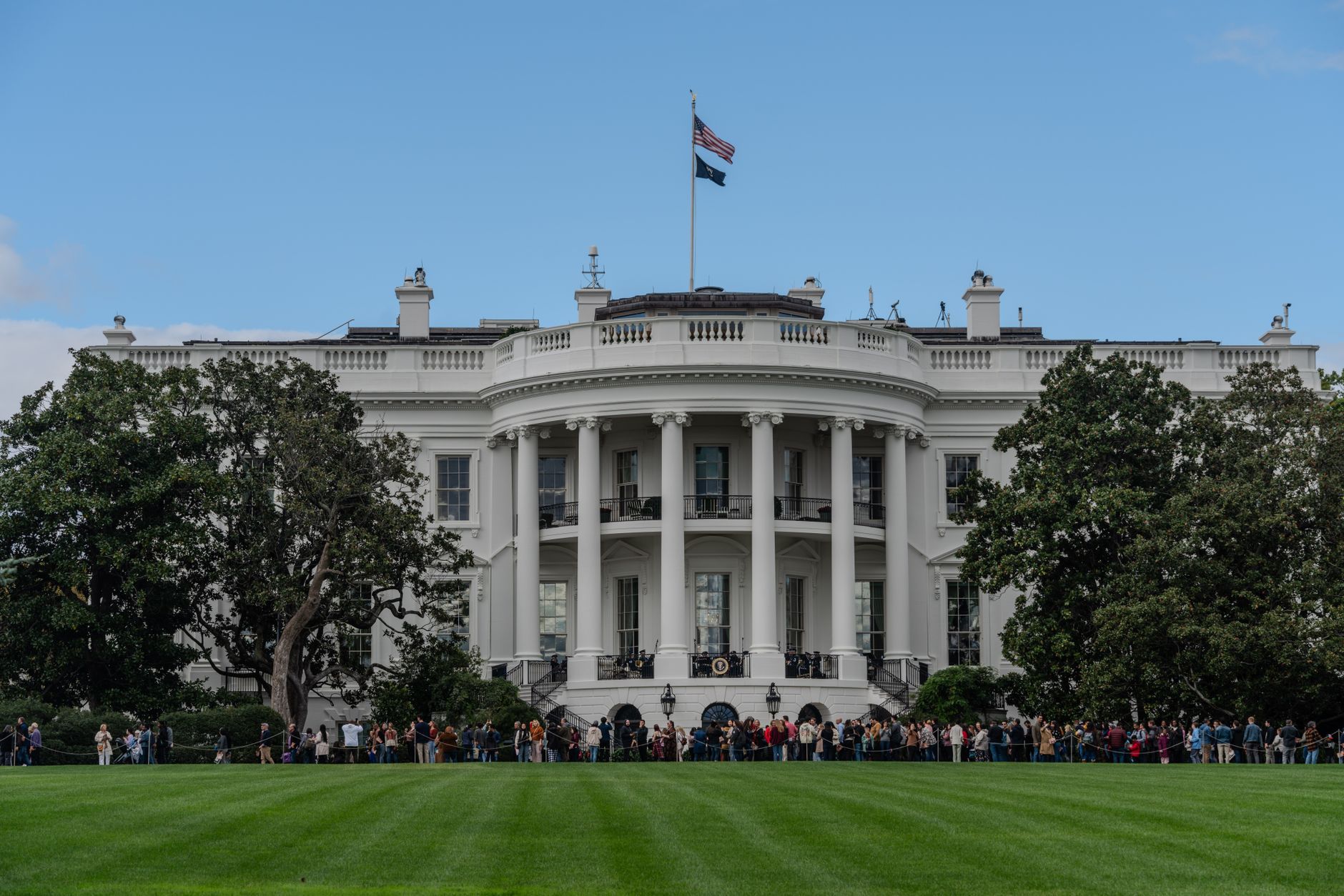
The 2028 White House race is shaping up to be a pivotal moment in American politics, with significant takeaways from recent midterms influencing candidates and strategies.
Key Takeaways from Recent Midterms
The recent midterm elections have provided valuable insights that could shape the 2028 White House race. As political dynamics evolve, several key takeaways emerge from the outcomes.
- Voter Turnout: A notable increase in voter turnout indicates heightened political engagement among the electorate. This trend may carry over into the 2028 White House race, emphasizing the importance of mobilizing voters.
- Party Alignment: The results revealed a shift in party alignment, with independents leaning towards candidates who prioritize bipartisanship. This could influence the strategies of both major parties as they prepare for the 2028 elections.
- Key Issues: Voters expressed strong opinions on issues such as healthcare, climate change, and economic stability. Candidates in the 2028 White House race will need to address these concerns to resonate with the electorate.
- Emerging Leaders: The midterms highlighted several emerging leaders who could potentially run in 2028. Their ability to connect with younger voters might play a crucial role in shaping the future of American politics.
These takeaways suggest that the path to the 2028 White House race will be a complex yet revealing journey.
Impact of Voter Turnout
The impact of voter turnout on the 2028 White House race cannot be underestimated. Historically, higher voter engagement has led to significant shifts in political power, shaping the outcomes of elections. Recent midterm elections have shown that mobilizing younger voters and underrepresented communities can drastically alter the political landscape.
Several factors contribute to voter turnout, including:
- Voter Registration Efforts: Increasing accessibility and simplifying the registration process can enhance participation rates.
- Election Day Accessibility: Ensuring that polling places are adequately staffed and open can make a difference, particularly for working-class voters.
- Campaign Messaging: Candidates must resonate with the electorate’s concerns, addressing issues such as healthcare, education, and climate change.
Moreover, social media platforms play a crucial role in reaching voters, especially younger demographics. Engaging content can inspire action and drive turnout. As we approach the 2028 White House race, understanding and addressing the elements influencing voter participation will be essential for candidates hoping to secure a victory.
Candidates to Watch in 2028
As the political landscape begins to take shape for the 2028 White House race, several candidates are emerging as potential frontrunners. With shifting voter demographics and the impact of recent midterm elections, these individuals may play pivotal roles in shaping the next presidential campaign.
- Gavin Newsom – The Governor of California has garnered national attention for his progressive policies and strong stance on climate change, making him a key player in the 2028 White House race.
- Ron DeSantis – As the Governor of Florida, DeSantis has become a prominent figure in the Republican Party, appealing to a base that values his approach to governance and education.
- Kamala Harris – The current Vice President may seek to build on her experience in the Biden administration, positioning herself as a candidate who can unite various factions of the Democratic Party.
- Josh Hawley – This Missouri Senator represents a younger generation of conservatives and may attract attention for his populist messaging and appeal to rural voters.
These candidates, among others, will be carefully watched as the 2028 White House race heats up, with each bringing unique perspectives to the national discourse.
Shifts in Political Landscape
The 2028 White House race is shaping up to be a pivotal moment in American politics, reflecting significant changes in the political landscape. The recent midterm elections demonstrated shifts in voter sentiment that could influence the candidates and strategies for the upcoming presidential race.
Political analysts have noted several key shifts that may impact the 2028 race:
- Demographic Changes: The electorate is becoming increasingly diverse, with younger voters and minority groups playing a crucial role in shaping political priorities.
- Policy Priorities: Issues such as climate change, healthcare, and economic inequality are gaining traction, compelling candidates to address these concerns more directly.
- Partisan Polarization: The divide between parties has deepened, leading to a more contentious political environment that may affect candidate selection and voter turnout.
- Technology Influence: Social media and digital campaigning are transforming how candidates engage with voters, making it essential for them to adapt to new communication strategies.
As the 2028 White House race approaches, these factors will likely play a significant role in determining the direction of the election and the potential for change in American governance.
Lessons Learned for Future Campaigns
As the nation reflects on the recent midterm elections, several lessons emerge that could significantly shape the 2028 White House race. Understanding these insights is crucial for candidates and their campaigns moving forward.
- Engagement is Key: Candidates must prioritize grassroots engagement to build a strong voter base. Direct communication with constituents can foster loyalty and enthusiasm.
- Adaptability Matters: The political landscape is ever-changing. Candidates who can pivot their strategies in response to emerging issues are more likely to resonate with voters.
- Focus on Local Issues: While national narratives dominate, addressing local concerns can win over skeptical voters. Tailoring messages to community needs can create a stronger connection.
- Utilize Technology: Innovative use of digital platforms for outreach and mobilization is essential. Harnessing social media can amplify messages and engage younger demographics.
- Highlight Unity: In an era of division, candidates who promote a message of unity and collaboration may find greater support across party lines.
These lessons from the midterms will undoubtedly influence strategies for the upcoming 2028 White House race, providing a roadmap for candidates seeking to connect with voters effectively.
Photo by Chengxiang LIAO on Pexels