
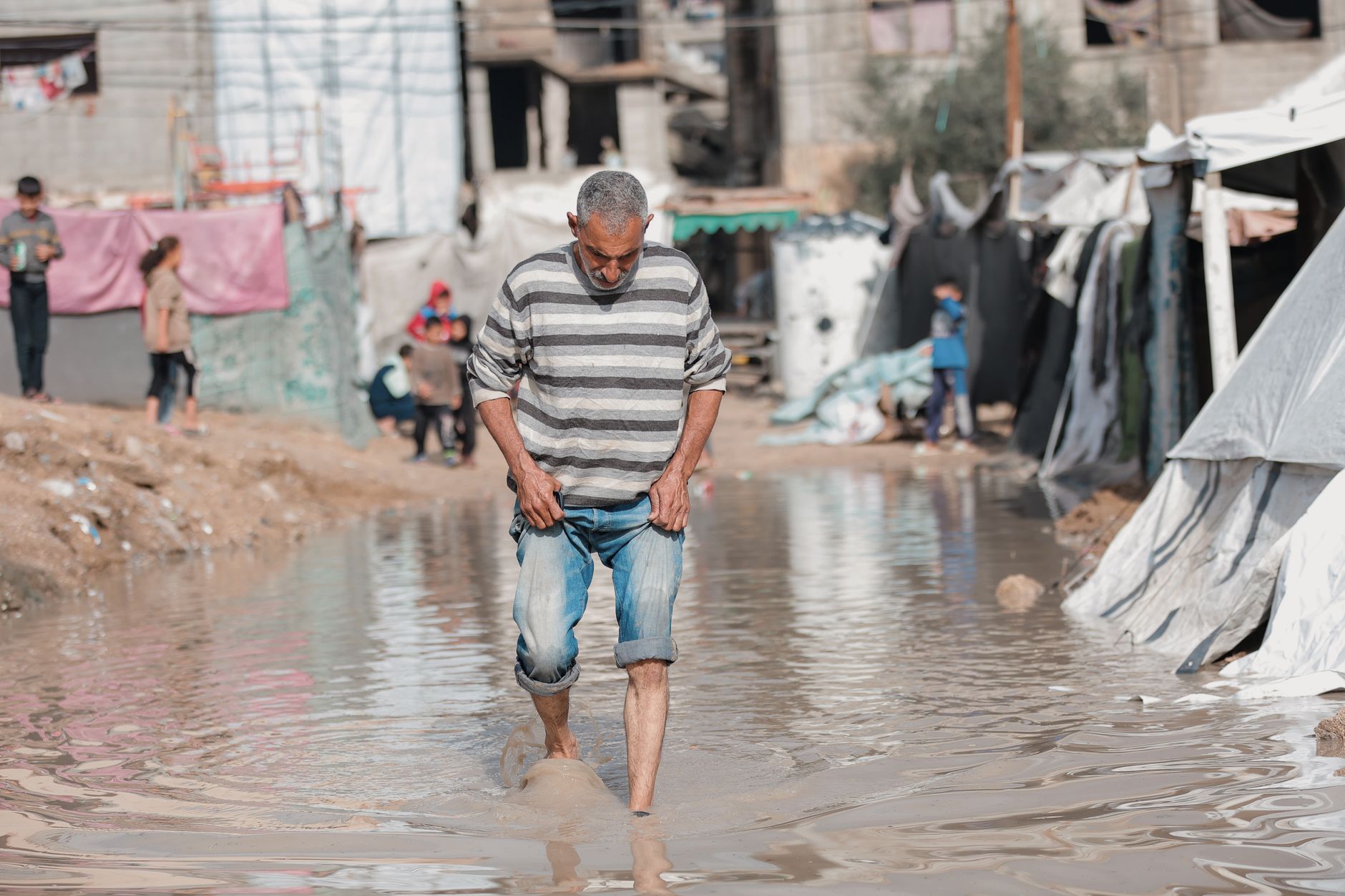
Hamas Gaza winter flooding has shaped the narrative around storm impacts in the region. This article explores how these narratives influence public perception and response.
Understanding the Gaza Flooding Situation
The recent winter flooding in Gaza has been a topic of intense discussion, particularly regarding the role of Hamas in shaping the narrative surrounding this environmental crisis. As heavy rains begin to fall, the vulnerabilities of the region’s infrastructure have been laid bare.
Experts have pointed out several factors contributing to the severity of the flooding:
- Inadequate drainage systems: Many areas in Gaza lack proper drainage, leading to water accumulation and flooding.
- Urban development: Rapid and unregulated urbanization has exacerbated the situation, with buildings constructed in flood-prone areas.
- Political factors: The actions and policies of Hamas have influenced how resources are allocated for flood prevention and response.
As the winter season progresses, the implications of these factors will become increasingly important for both residents and policymakers in Gaza. Understanding the dynamics at play is crucial for addressing the ongoing challenges posed by Hamas and the floods.
The Role of Hamas in Local Narratives
The ongoing winter flooding in Gaza has sparked significant attention, particularly regarding the role of Hamas in shaping local narratives around this crisis. As the winter storms approach, many residents find themselves caught between the realities of flooding and the political narrative crafted by the ruling group.
Local discussions often highlight several key points:
- Government Responsibility: Many blame Hamas for inadequate infrastructure that fails to manage heavy rainfall effectively.
- Media Framing: The organization has been known to manipulate media coverage to divert attention from its governance failures.
- Crisis Exploitation: Some analysts argue that Hamas uses such crises to unify public sentiment against external adversaries, portraying itself as a defender of the people.
This multifaceted approach to the narrative surrounding Hamas Gaza winter flooding complicates the public’s understanding of the actual conditions on the ground and their implications for the community’s future.
Impact of Winter Storms on Gaza
The impact of winter storms on Gaza has been profound, exacerbating the already dire humanitarian situation in the region. With each season, residents face the dual challenges of heavy rainfall and inadequate infrastructure, leading to severe flooding and displacement.
The recent winter flooding has highlighted the vulnerabilities within Gaza, where Hamas has been both a governing body and a part of the narrative. As the storms wreak havoc, the organization has sought to control the narrative surrounding the flooding, often portraying itself as a protector of the people amidst the chaos.
Key effects of the winter storms include:
- Destruction of homes and public buildings, leaving many families homeless.
- Disruption of essential services such as water, electricity, and healthcare.
- Increased health risks due to stagnant water and unsanitary conditions.
The combination of Hamas’s governance and the winter flooding creates a complex situation, as residents navigate both natural disasters and political challenges.
Public Perception and Media Coverage
The perception of Hamas in the context of Gaza’s winter flooding has been heavily influenced by media coverage and local narratives. Many reports highlight the group’s efforts to control the narrative surrounding the flooding, often portraying themselves as the primary defenders of the population. This has created a complex relationship between the public and the media.
According to analysts, public perception is shaped by both the immediate impact of the flooding and the ongoing political landscape. While some view Hamas’s actions as beneficial in times of crisis, others criticize the group for failing to adequately prepare for such disasters. The conflicting viewpoints have led to a divided opinion among residents.
- Supporters believe Hamas effectively manages relief efforts during flooding.
- Critics argue that the group prioritizes propaganda over genuine assistance.
As the winter storms continue to affect Gaza, understanding how Hamas shapes the narrative around these events is crucial for grasping the broader implications of the flooding situation.
Historical Context of Flooding in Gaza
The historical context of flooding in Gaza reveals a complex relationship between natural disasters and socio-political dynamics. Over the years, Gaza has experienced a series of devastating floods, often exacerbated by poor infrastructure and inadequate drainage systems. These issues are compounded during the winter months, when heavy rains and storms can lead to significant waterlogging and damage.
In recent history, organizations like Hamas have played a crucial role in shaping local narratives about flooding. By emphasizing the impact of flooding on daily life, they seek to highlight the ongoing humanitarian crisis in the region. The winter flooding in Gaza, particularly during intense storm events, often serves as a backdrop for political discourse.
Furthermore, the interplay between environmental challenges and governance creates a narrative that resonates with both local and international audiences. As Gaza faces each winter, the specter of flooding looms large, serving as a reminder of the urgent need for effective disaster management and infrastructure development.
Future Projections for Gaza’s Climate Challenges
As climate change accelerates, the future projections for Gaza’s climate challenges indicate an increasing frequency and intensity of winter flooding events. Experts warn that the region will face more extreme weather patterns, exacerbating the already precarious living conditions for its residents.
Among the contributing factors is the ongoing political instability, which hampers effective infrastructure development. Without significant investment in flood defenses and drainage systems, the risk of severe flooding during winter storms will remain high.
The situation is further complicated by the narratives shaped by Hamas regarding disaster response and management. As the organization navigates public perception, it must confront the realities of climate change and its impact on Gaza’s winter flooding.
In light of these projections, it is essential for local leaders and international stakeholders to collaborate on sustainable solutions. Addressing these challenges will be crucial to mitigating the effects of winter flooding and improving the resilience of Gaza’s communities in the face of climate change.
The recent Hamas Gaza winter flooding has exacerbated the already dire humanitarian situation in the region. Many residents are struggling to cope with the aftermath of the Hamas Gaza winter flooding, which has left homes and infrastructure severely damaged.
Photo by Hosny salah on Pexels