
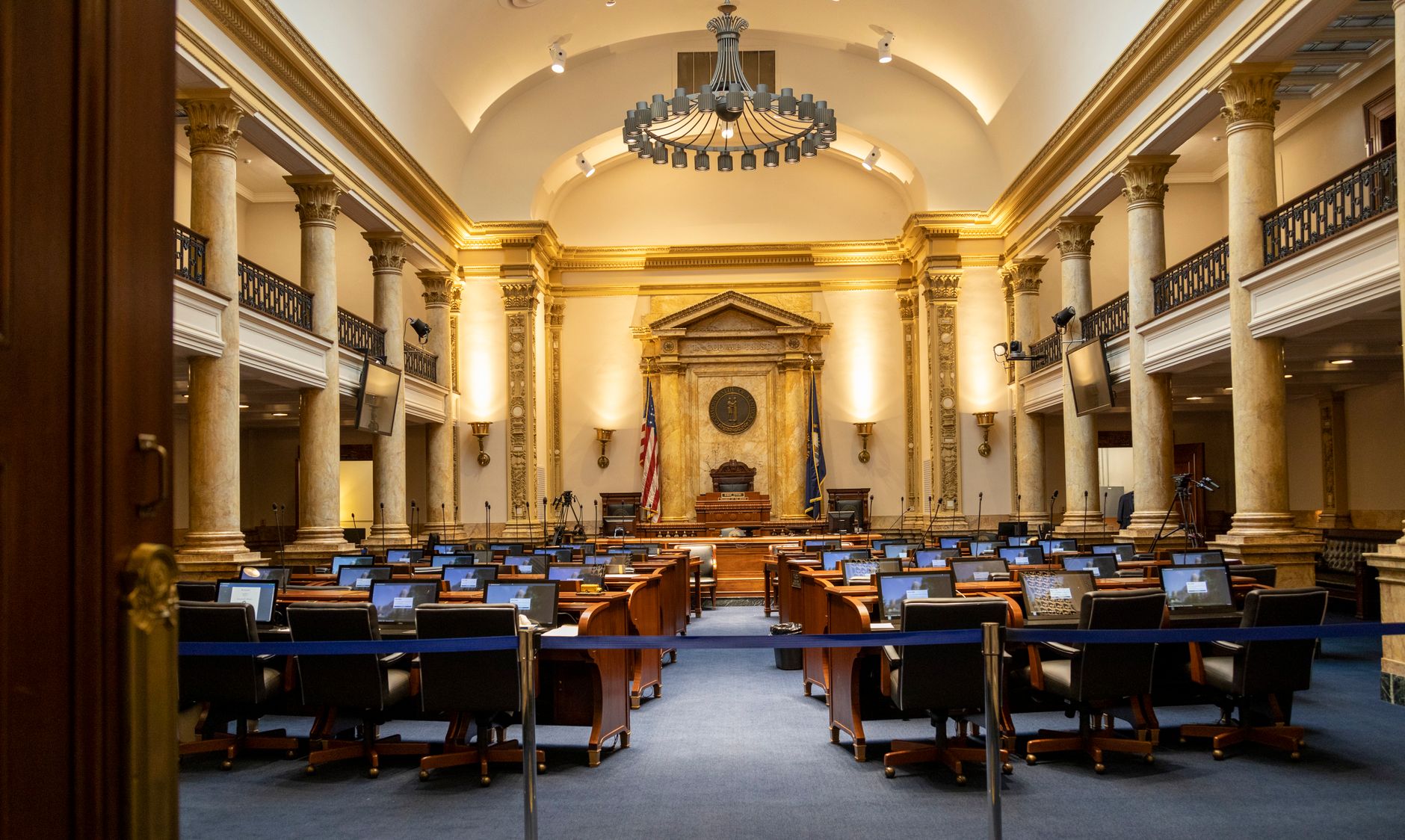
Senator Wyden cuts are a hot topic as he announces plans to use his powerful Senate committee to reverse recent Republican budget reductions.
Wyden’s Committee Strategy
Senator Ron Wyden of Oregon is making headlines with his strategic approach to counteract the recent Republican cuts that threaten vital programs. As the chair of the Senate Finance Committee, Wyden holds a significant position to influence budgetary decisions and policies that impact millions of Americans.
Wyden plans to leverage this powerful committee to challenge the implications of the cuts and advocate for reinstating funding for essential services. His strategy focuses on several key areas:
- Healthcare: Ensuring that Medicare and Medicaid remain adequately funded to serve those in need.
- Social Security: Protecting benefits for seniors and other vulnerable populations from potential reductions.
- Tax Policy: Reevaluating tax cuts that predominantly benefit wealthy individuals and corporations, aiming to redirect funds to support public services.
- Job Creation: Promoting initiatives that foster employment opportunities and economic growth, countering the adverse effects of the cuts.
Wyden’s commitment to undoing Republican cuts reflects his broader vision of ensuring that government resources are allocated to support the well-being of all Americans, rather than disproportionately benefiting a select few.
Impact of Republican Cuts
The recent Republican cuts have raised significant concerns among various sectors in Oregon. Many community programs that rely on federal funding are facing severe limitations due to these budget reductions. Senator Wyden has emphasized the importance of addressing these impacts and restoring necessary financial support.
According to Wyden, the cuts threaten essential services, including:
- Healthcare access: Reduced funding could lead to fewer resources for hospitals and clinics, impacting patient care.
- Education: Schools may struggle to maintain programs that support students, particularly those from low-income families.
- Infrastructure: Local governments might find it challenging to fund critical projects, which could hinder economic growth.
Wyden’s commitment to using his position to reverse these detrimental cuts highlights his dedication to the community. By advocating for restored funding, he aims to ensure that vital programs continue to serve Oregonians effectively. The senator’s actions reflect a broader effort to protect the interests of his constituents against the backdrop of adverse fiscal policies.
As he moves forward with his plans, the impact of Republican cuts will be a focal point of his strategy.
Public Reaction to Wyden’s Plans
The public reaction to Senator Wyden’s plans has been largely supportive, with many citizens expressing relief at the prospect of undoing the Republican cuts that have affected various sectors. Social media platforms have been abuzz with discussions around the senator’s strategy, showcasing a mix of optimism and hope for a more equitable budget.
Numerous community leaders and advocacy groups have voiced their approval, emphasizing the potential benefits of restoring funding to essential services. Comments from constituents highlight a desire for:
- Increased support for education: Many parents and educators are eager to see resources allocated back to schools, which have faced significant challenges due to prior cuts.
- Healthcare accessibility: Advocates are calling for renewed funding to ensure that healthcare remains accessible to underprivileged communities.
- Environmental protection: Environmentalists are hopeful that restoring budgets can help combat climate change and protect natural resources.
As Senator Wyden prepares to leverage his position, constituents are watching closely, eager to see how these plans will unfold and what they mean for the future of Oregon.
Historical Context of Budget Cuts
In recent years, budget cuts have become a contentious issue in U.S. politics, particularly affecting essential services and programs. The historical context of these cuts reveals a pattern of fiscal policies often driven by partisan agendas. Since the early 2000s, Republican administrations have frequently pursued aggressive budget reductions, aiming to decrease federal spending, which has led to significant impacts on various sectors.
Among the most affected areas have been:
- Healthcare – Programs like Medicaid have seen funding slashed, leaving many vulnerable populations without necessary support.
- Education – Cuts to federal funding have hindered resources for public schools, affecting students and educators alike.
- Social Services – Reduced funding has compromised vital services for low-income families and individuals.
Senator Wyden’s commitment to undo Republican cuts highlights a crucial turning point in this ongoing struggle. By leveraging his position on the Senate Finance Committee, he aims to restore funding and reinstate programs that directly benefit Oregonians and others nationwide. This strategic move not only addresses immediate needs but also signifies a broader push for fiscal responsibility that prioritizes the well-being of the public over political gains.
Future Implications for Oregon
The recent announcement from Senator Wyden regarding his commitment to undo Republican cuts has significant implications for Oregon’s future. By leveraging his position on a powerful Senate committee, Wyden aims to restore funding to essential programs that have faced reductions, which could greatly benefit the state’s economy and residents.
One of the most pressing concerns is the impact on social services. Many Oregonians rely on these programs for support, and restoring funding could enhance their quality of life. Additionally, reversing these cuts may lead to increased job opportunities as programs are funded to their full capacity, stimulating local economies.
Moreover, the senator’s proactive stance could influence the political landscape in Oregon. By championing the restoration of vital services, Wyden may strengthen his support among constituents who have felt the negative effects of budget reductions. As he navigates this process, it is crucial for him to communicate the benefits clearly to Oregonians.
In summary, Senator Wyden’s efforts to cut through Republican cuts could not only reshape the future of essential services but also foster a renewed sense of hope and resilience within the state.
Key Supporters of Wyden
Senator Ron Wyden’s initiative to reverse the damaging impacts of Republican cuts has garnered significant support from various key figures and organizations. These supporters emphasize the importance of restoring funding for critical programs that benefit Oregonians and the nation as a whole.
- Local Leaders: Mayors and county officials across Oregon have rallied behind Wyden, recognizing the essential role federal funding plays in local services.
- Advocacy Groups: Numerous advocacy organizations, including those focused on healthcare and education, have expressed their backing. They argue that the proposed cuts threaten vital community resources.
- Labor Unions: Labor leaders have also voiced their support, highlighting how these cuts could negatively impact workers and their families.
- Environmental Organizations: Groups dedicated to environmental protection are concerned that Republican cuts will undermine critical conservation efforts and climate initiatives.
Each of these supporters plays a crucial role in amplifying Wyden’s message. Together, they form a coalition aimed at ensuring that the cuts proposed by Republicans do not become a reality, aligning with Wyden’s commitment to protect the interests of Oregonians.
Analysis of Senate Dynamics
The current dynamics within the Senate have shifted significantly, especially with Senator Wyden’s recent announcement regarding the reversal of Republican cuts. This move has sparked discussions on the effectiveness of party strategies and the potential for bipartisan collaboration.
Senator Wyden, as a senior member of the Senate Finance Committee, holds a pivotal position that allows him to influence key budgetary decisions. His ability to leverage this committee’s authority is essential in addressing the ramifications of the cuts imposed by the Republican majority. Observers note that this strategy could reshape dialogues around fiscal responsibility and social welfare.
In the Senate, the balance of power plays a crucial role in determining legislative outcomes. With the Republican cuts facing scrutiny, Wyden’s approach highlights the importance of negotiation and compromise. Many analysts believe that if he can rally support from both sides of the aisle, it may lead to a more sustainable budget that reflects the needs of the constituents.
As discussions continue, the focus will remain on how effectively Senator Wyden can navigate the complex landscape of Senate dynamics while tackling the implications of the cuts and fostering a cooperative environment.
In response to the ongoing debate, Senator Wyden cuts through the partisan rhetoric by proposing alternative funding solutions. His proactive approach highlights how Senator Wyden cuts can benefit essential public services without compromising fiscal responsibility.
Photo by raksasok heng on Pexels
References
Quantum interference atoms: Proven effects on binding energy · Badenoch death threats: Man jailed for racist threats · Dung Beetles Milky Way: Proven Way to Navigate Straight